

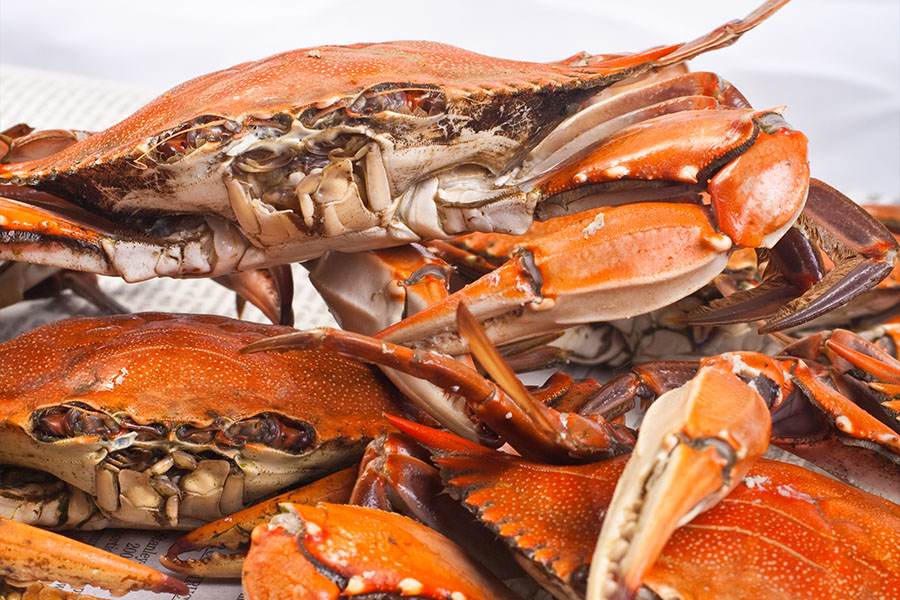
So many of our Outer Banks memories are tied to seafood. The fundraising fish fries with piping-hot hushpuppies and cool, creamy slaw on the side, served in a Styrofoam box with a plastic fork. The first soft-shell sandwich of the season, the whole crispy-fried crab tucked into a bun that is never quite big enough to hold the dangling legs. The crab-picking party around a newspaper-covered picnic table in the fading summer light, trying to pull out the biggest hunks of meat from the shells to dunk into melted butter.
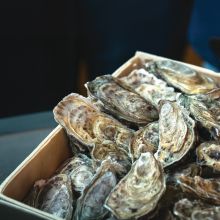
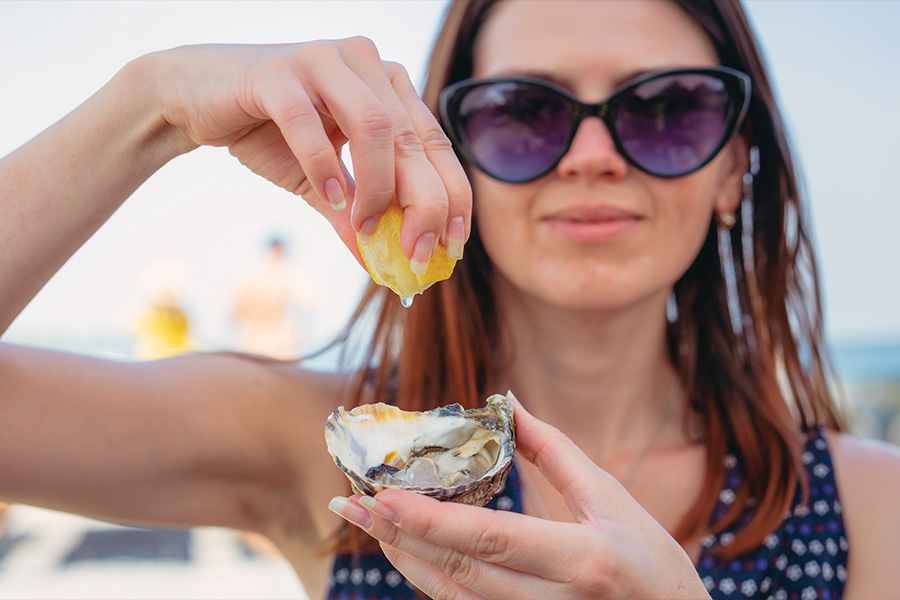
The winter oyster roasts, too, elbow to elbow around a tall table in salt-scented steam, jockeying for the oyster knives and everyone half-arguing about the best way to eat them: dripping in butter and sitting on a saltine, brightened with mignonette or slurped raw straight from the shell, juice and all.
On the Outer Banks, seafood is more than sustenance. It’s connection to people and place, and it’s a deep part of history and tradition.
Fish and oysters sustained the Native people who lived here first, a story visible in the oyster middens that remain as evidence of how important shellfish were to early life along these waters. Generations since have had their own seafood traditions: drying whole salted herring on clotheslines, boiling old drum with onions and potatoes and dousing it all in bacon grease, feeding the whole community a bounty of fried bluefish, putting together what you had – clams, potatoes and salt pork – into what’s now known as Hatteras-style chowder. Our ancestors didn’t eat tuna and shrimp (which they considered a pest and called bugs), they ate mackerel, herring, clams and oysters, even turtles in soup!
As fishing practices evolved and species availability changed – and somebody finally tasted a shrimp and discovered how good it is – our tastes have changed too, but our penchant for fresh seafood has definitely not. Seafood is ingrained in our Outer Banks culture. It’s a vital part of local life and a reason so many people love to visit.
Whether you like your seafood messy and casual – a seafood boil eaten without utensils, peeling shrimp with Old Bay-coated fingers, a fried oyster po’boy dripping with tartar sauce – or refined and neat – delicate slices of yellowfin sashimi, a bowl of silky she-crab bisque, Parmesan-crusted fresh catch — some of the best Outer Banks experiences are tied to the bounty of our waters.
But as we shuck those oysters, peel those shrimp and crack those crabs, how often do we stop to think about what it takes to bring that goodness to our plates?
Before it appears on a menu, Outer Banks seafood moves through a whole web of working watermen (and waterwomen), boats, fish houses, processing, packaging, refrigerated trucks, buyers, markets and restaurants.
A single fish is handled many times before it reaches the dinner table. A crab starts in a pot, is dumped into a basket on a boat, is sorted, picked and packed at a fish house, delivered and made into a crabcake sandwich within days of harvest. Oysters are grown from spat, tumbled, sorted, bagged and served just a few miles from the waters that shaped their flavor.
The story of Outer Banks seafood stretches from sound to sea, from harvesters to fish houses, from dockside markets to family restaurants, from the working waterfronts of Wanchese to markets from Corolla to Ocracoke and right to your stove or grill.
Where It All Begins
With more water than land on the Outer Banks, it’s no surprise that seafood is our staple.
In the Atlantic Ocean, where warm and cold currents pass, runs of tuna, mahi, wahoo, cobia and countless other fish live year-round or pass through on seasonal migrations.
In the Pamlico, Albemarle, Roanoke, Croatan and Currituck sounds, and the inlets connecting the ocean and sound, tides move through narrow channels, and freshwater mixes with saltwater in marshes, creeks and estuaries. Those meeting places make the region incredibly seafood rich.
Estuaries are nurseries for fish and shellfish, providing protected habitat where young species can grow before moving into larger waters. Our sounds and marshes support crabs, shrimp, oysters, clams and countless finfish.
The Outer Banks weather, wind and waters are places of constant movement, shift and change – all of it determining the local catch. Eating local seafood means constantly adapting to what is available, when it is available and what can be caught.
The Seafood
Oysters, shrimp, fish and crabs are the big catches on the Outer Banks, but of course there are others, scallops and clams among them. Let’s explore the big four.
Oysters
Affected by salinity, currents, bottom type, temperature, minerals and nutrients, an oyster tastes like the waters it comes from. That specific taste of place is called merroir, the watery equivalent of terroir in wine.
Not that long ago, people here only ate wild-harvested oysters – and only in cool season months that had an R – but in recent years, oyster aquaculture has become an increasingly important part of the local seafood scene. Oyster farms can now be found in all the local sounds, where growers raise oysters in bags, cages or floating systems. Farming oysters is hard, physical work, but it is also one of the more hopeful stories in local seafood. Oysters filter water, create habitat and offer a sustainable product with a strong sense of place. Farmed oysters can be found on menus all year round, while wild-harvested oysters are only available in those R months.
Try Them: Eat oysters raw if you want the purest taste of the water. You can also try them steamed, grilled, fried, in a stew or even in an oyster shooter with hot sauce and vodka and/or beer. Oysters Rockefeller on the half shell topped with spinach and Bearnaise is the chef’s kiss. If available, try an oyster flight, which allows you to sample oysters from different areas to compare their merroir. You can tell the difference between local oysters, for example, those grown near Oregon Inlet versus those grown in Pamlico Sound or near Hatteras Inlet.
Blue Crabs
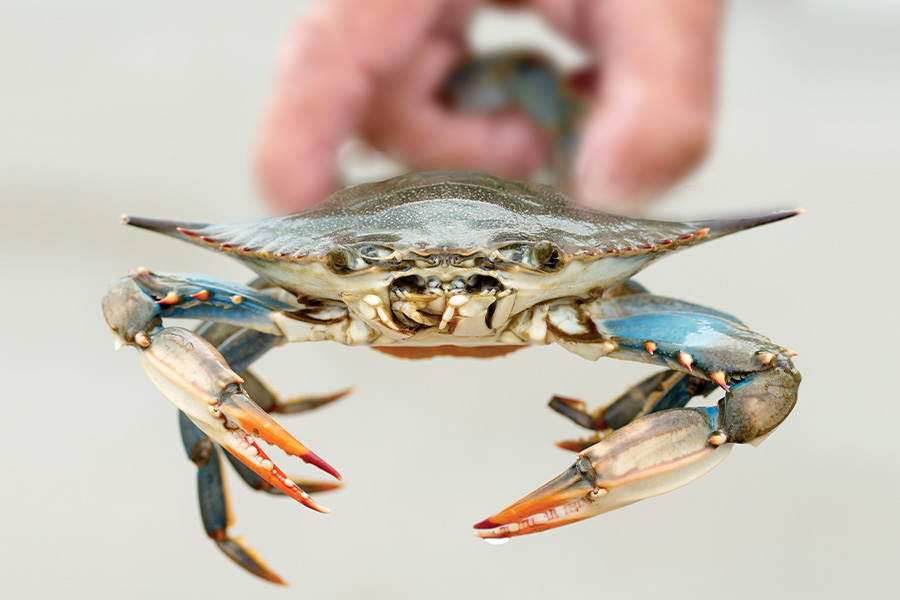
Blue crabs are a favorite North Carolina harvest. If you love this sweet, succulent meat, it’s easy to find in local restaurants or buy a pint or two at a market to cook at home.
If you want an authentic experience, buy the hard shell crabs and pick the meat yourself. There is a learning curve to eating hard crabs. You have to know how to pull off the shell, clean out the body, crack the claws and work the chambers for meat. It is tedious at first, but once you find a rhythm, it becomes addictive. Blue crabs live in the sounds and estuaries around the Outer Banks, where crabbers set pots to catch them. A male crab is called a jimmy. A mature female is called a sook. Peelers are crabs that are about to shed their hard outer shell. Once they shed, they become soft-shell crabs for a very short window of time. A soft-shell crab is a blue crab harvested just after molting, before its new shell hardens. The result is a delicacy that can be eaten whole.
The short window of soft-shell season in early May brings big excitement. Soft-shell crab season is intense for the people who work it. Peelers must be monitored constantly because once they shed, timing matters. For a brief period, they are perfect. Wait too long and the shell begins to harden. That means long days, long nights and careful attention from the people who know the process.
Try Them: Hard crabs, soft-shell crabs, crab cakes, crab dip and she-crab soup all have a place in the local seafood tradition. If you see local soft-shell crab on a menu, order it. It is worth remembering that not all crab meat in market or on menus is local. Those tasty snow crab legs and Alaskan king crab legs, for example, are obviously imported. If you’re buying packaged blue crab meat, check the label to ensure that it’s local or at least regional.
Shrimp
Shrimp is America’s most popular seafood, with Americans eating around 5 pounds per capita per year. Wild American shrimp is caught in the southeast from North Carolina through the Gulf states to Texas, and North Carolina is one of the top producers.
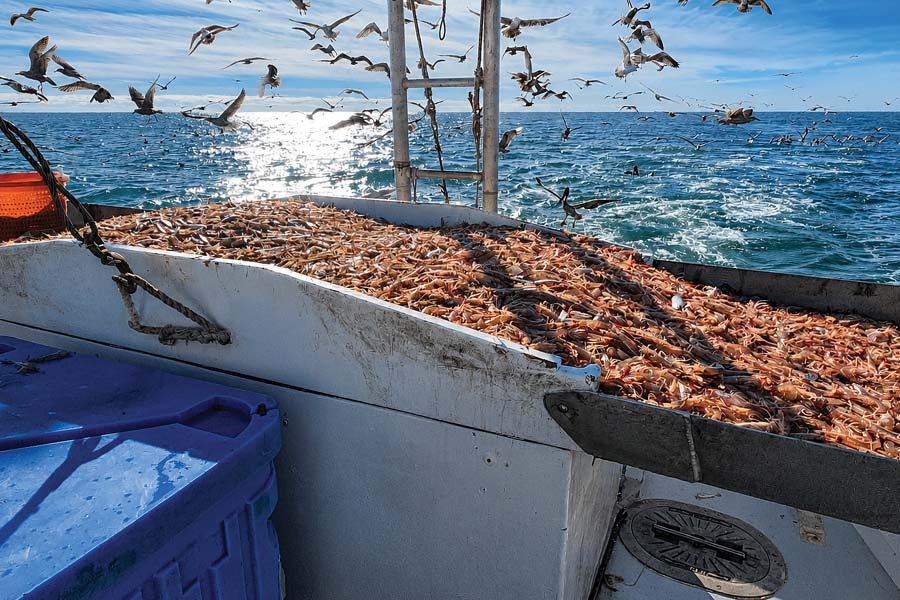
Shrimp trawlers are one of the most recognizable images of the commercial fishing industry, as they move through sound or ocean waters with nets extended often within sight of shore. Around the Outer Banks, shrimpers harvest brown, white and pink shrimp. Brown shrimp usually show up earlier in the season, while white shrimp, often called greentails, are especially prized by many locals. Pink shrimp are less common
Shrimping is a demanding fishery affected by weather, fuel costs, regulations, seasonal runs and market prices. One problem is that much of the shrimp eaten in the United States is imported, often from farms in countries such as India, Ecuador or Indonesia. That shrimp may be convenient and inexpensive, but it does not compare to fresh local shrimp from North Carolina or neighboring waters.
Local shrimp are sweet, firm, full of flavor, all natural and full of healthy protein. American commercial shrimpers also adhere to strict sustainability guides. Imported farm-raised shrimp is often laden with antibiotics and linked to unethical farming and human rights practices. This is why it is important to eat wild-caught shrimp. If Outer Banks wild-caught shrimp is not available, choose American wild caught. If that’s not available, eat fish or crab.
Try Them: Ask for local shrimp at restaurants and markets. Eating local supports local harvesters, and it definitely tastes better. Don’t worry if the local shrimp has been frozen because shrimp freezes beautifully. Shrimp are excellent steamed with Old Bay, chilled and served as peel-and-eat shrimp, tucked into tacos, fried in a shrimp burger, tossed into pasta or served in a classic shrimp boil with corn, sausage and potatoes.
Fish
Fish is a very general word for a huge category of species. On the Outer Banks, local fish can mean yellowfin tuna, bluefin tuna, mahi mahi, wahoo, cobia, grouper, tilefish, triggerfish, red drum, black drum, speckled trout, sheepshead, spot, croaker, flounder and so many more.
Some species are tied to offshore fishing, in which charter boats and commercial boats head into the Atlantic in search of tuna, mahi, wahoo and other pelagic fish. Other fish come from deep wrecks and reefs, such as grouper, tilefish and triggerfish. These species are prized for their firm texture and clean flavor.
Inshore and soundside include drum, trout, spot, bluefish, flounder, croaker, sheepshead, black drum and more. Red drum, in particular, holds a special place in Outer Banks culture.
Not every fish caught here is eaten. Billfish such as marlin and sailfish are part of the big-game fishing heritage of the Outer Banks, but they are not tasty table fish. Some fish caught here never make it to the table because of fishing regulations.
Try Them: The types of local fish available vary greatly depending on the season and the weather. The beauty of local fish is that the best choice is constantly changing. The smartest order is what came in fresh that day – often an off-the-menu special. Always be willing to pivot from the standard choices and try something new.
The Harvesters
Behind every morsel of local seafood is a harvester, the commercial fishermen, shrimpers, crabbers, oystermen and oyster farmers who do the logistical and physical work of bringing seafood out of the water. Most come from families who have worked these waters for generations and have inherent knowledge of the weather, the seasons, the tides, the gear, the regulations and the risks.
Each fishery requires different tools and knowledge. Shrimpers work trawlers and nets. Crabbers work smaller boats, setting and hauling pots. Commercial fishermen may use nets, longlines, hook-and-line methods or other gear depending on species and regulation. Oyster harvesters may tong, dredge where allowed or work farmed leases with cages and bags.
Weather is a major part of the job, as are shifting habitats, water quality concerns, changing markets, fluctuating prices, fuel and equipment costs, inlet conditions and fisheries regulations, all of it adding up to a very difficult way to make a living. Regulations are designed to support sustainability, but they can also be difficult for working watermen to navigate.
For many local families, commercial fishing is not just a job, it is a way of life. The hours are long, the work is hard and the uncertainty is constant. But harvesters love being on the water and often say they would not trade it for any other job.
The people bringing in the seafood are just one reason eating local seafood matters. When you buy and eat local fish, shrimp, crabs and oysters, you are doing more than buying dinner. You are supporting the people and families who keep this industry alive.
Fish Houses and Working Waterfronts
After seafood leaves the boat and the hands of the commercial fisherman, it often goes to a fish house, the connection to the marketplace. Fish houses are where the catches come in, get sorted, processed, packed, sold and distributed. Fish may be cleaned, filleted or sold whole. Shrimp are sorted by size. Oysters are bagged. Crabs are graded, and crabmeat is picked. Buyers check quality and quote prices. Refrigerated trucks pull in and out, delivering seafood to cities all along the East Coast. Outer Banks seafood may go to local restaurants, seafood markets, regional distributors or buyers far beyond North Carolina. A soft-shell crab harvested on the Outer Banks might be served in New York City restaurant the very next day, or a bluefin tuna caught here might be packed with dry ice and on its way to Japan within hours of coming to the docks.
Fish houses clustered on the water in places where the boats can pull up and unload are called working waterfronts. The Outer Banks once had many more working waterfronts than it does today. As coastal land has become more valuable for development and tourism and commercial fishing has become a much more problematic profession, places where commercial boats can pull up, unload and return to the water have become increasingly rare.
Though smaller in size than it used to be, Wanchese is one of North Carolina’s significant working waterfronts, a place where commercial fishing, boatbuilding, seafood processing and marine trades come together.
Visit a Fish House: Two of Wanchese’s fish houses, O’Neals Sea Harvest and Fresh Catch Seafood, have retail seafood markets, offering visitors a chance to get close to the source of local seafood. In Hatteras, Jeffrey’s Seafood at Hatteras Harbor is a fish house with a market. And on Ocracoke Island, Ocracoke Seafood Company is a working fish house that also sells seafood. When you go, ask questions: What came in today? What is best right now? How should I cook it? They will be happy to tell you.
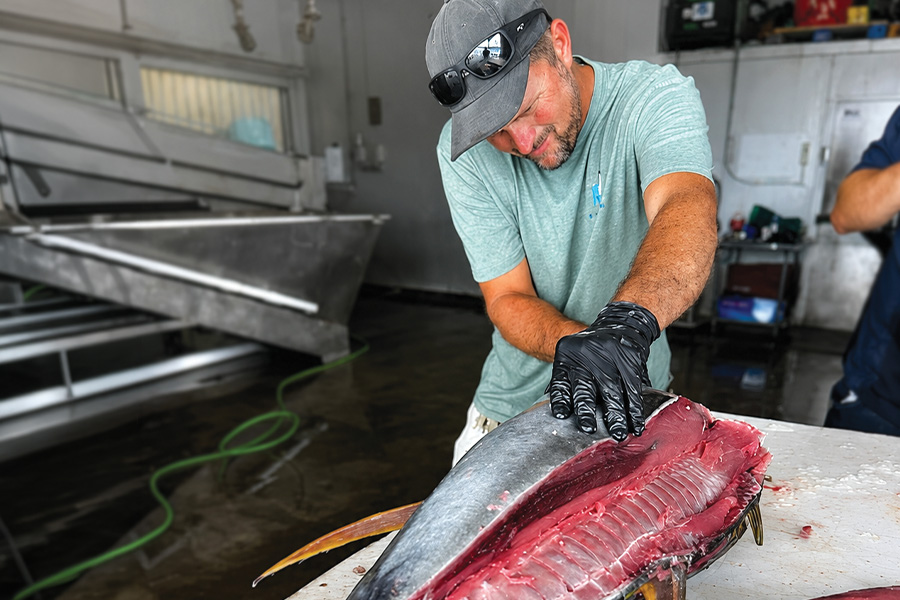
Photo: N-Seine Seafood Market
Markets and Restaurants
Once seafood leaves the fish house, its journey continues to the places most of us experience it: seafood markets and restaurants. These businesses serve as the final link between the water and your plate.
Seafood markets offer one of the most direct ways to enjoy local catch. Many markets buy directly from local fishermen and fish houses, making it possible to take home seafood that may have been swimming in local waters only a day earlier. Markets provide access to seasonal fish, shrimp, oysters, crabs, scallops and clams, often with cooking tips and any condiments you might need.
In restaurants, local chefs transform the day's catch into everything from fish tacos and shrimp baskets to seared tuna entrees. The best seafood restaurants build their menus around what is fresh-caught rather than relying on the same species year round. That's why the catch of the day is often the smartest thing to order. It reflects what local fishermen are bringing to the docks and what chefs are most excited to cook and serve.
The next time you sit down to a plate of Outer Banks seafood, pause for a moment before the first bite. Think about the waters it came from and the hands that harvested, sorted, cleaned, packed, delivered and prepared it. Then dig in, grateful for a taste of the Outer Banks.
What Local Seafood Really Means
Here is one of the most important things to understand: Not all seafood served at the beach is local, but that does not mean it is bad. Restaurants serve, and markets sell, a wide range of products for many reasons: availability, price, customer demand, consistency and seasonality. But visitors often assume that because they are at the coast, all seafood on the menu came from nearby waters. That is not always true.
Some seafood is imported. Some is from other states. Some may be farmed elsewhere. Some species, like salmon, halibut, snow crab legs or Alaskan king crab, are not local to the Outer Banks at all.
“Is this local?” is not a rude question. You can also ask, “What came in fresh?” or “Where are the oysters from?” or “Is the shrimp from North Carolina?” A good server, chef or seafood market employee can tell you what is truly local and what is simply seafood served locally. The more we ask for local seafood, the more restaurants and markets know it matters to us.
When local seafood is available, choosing it helps support working watermen, fish houses, oyster farmers, markets and restaurants that are connected to the place you came here to experience.
About the Author Molly Harrison
 Molly Harrison is managing editor at OneBoat, publisher of OuterBanksThisWeek.com. She moved to Nags Head in 1994 and since then has made her living writing articles and creating publications about the people, places and culture of the Outer Banks.