
If you live here year-round, you’ve probably heard it before: “Tourism drives the Outer Banks economy.” But what does that actually mean? And where does all that visitor money really go?
Visitors spent $2.1 billion on the Outer Banks in 2024. That puts Dare County fourth out of all 100 North Carolina counties for visitor spending. These tourism dollars generate state tax revenue of $68.2 million and local tax revenue of $78.9 million.
It's pretty obvious that the tourism spending directly supports our workforce. Nearly half of all jobs in Dare County (45.5%) are tourism-related — about 12,260 local jobs tied to hotels, restaurants, retail, attractions, construction, healthcare and more. And here’s a number that really matters to all residents, whether they work in a tourism-related job or not. Tourism saves the average Dare County resident about $3,860 a year in taxes — the highest tax savings of any county in North Carolina. That’s money we don’t have to pay for state, town and county services because visitors help carry the load.
This information might lead a visitor to wonder: What taxes am I paying when I visit the Outer Banks and how is that money used?
When visitors stay overnight in Dare County, they pay a 6% occupancy tax on short-term lodging. That money is shared between Dare County and the six municipalities (Duck, Southern Shores, Kitty Hawk, Kill Devil Hills, Nags Head and Manteo), who get 50%; the Beach Nourishment Fund, which gets 33%, and the Dare County Tourism Board, which gets 17%.
Dare County and the municipalities incorporate their portion of the funds into their individual budgets. The Beach Nourishment money goes to help fund sand replenishment projects on beaches throughout Dare County. Widening the beaches not only creates beautiful beaches for recreational use and wildlife habitat, but also protects infrastructure and roads. For more information, go to More Beach to Love | Dare County, NC.
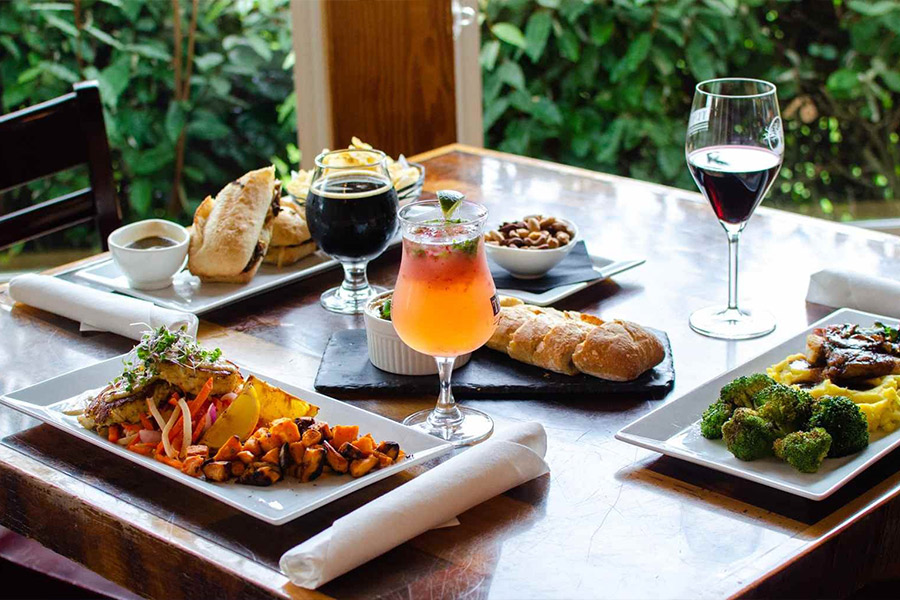
Photo: Dining at TRiO. In Dare County a 1% prepared meals tax helps fund the Dare County Tourism Board, to be spent on both promoting tourism and for programs or services needed due to the impact of tourism.
In addition, everyone — both locals and visitors — pays a sales tax rate of 6.75% (4.75% to North Carolina and 2% to Dare County) and a 1% prepared meals tax when dining out. The prepared meals tax revenue goes to the Dare County Tourism Board. State law requires that 75% of the prepared meals tax is used to promote tourism and 25% is used for programs or services needed due to the impact of tourism.
The promotion money goes to the Outer Banks Visitors Bureau, which markets the Dare County portion of the Outer Banks from Duck to Hatteras Island, Roanoke Island and the mainland, and to Events Grants.
The impact money goes right back into the community via grants from the Dare County Tourism Board, with approval from the Dare County Commissioners. Restricted Fund Grants, including Tourism Impact Grants and Long-Term Unappropriated Grants, support programs or services needed due to the impact of tourism. Since 1991 tourism dollars have provided $26 million for 925 grants to more than 160 nonprofits and government bodies.
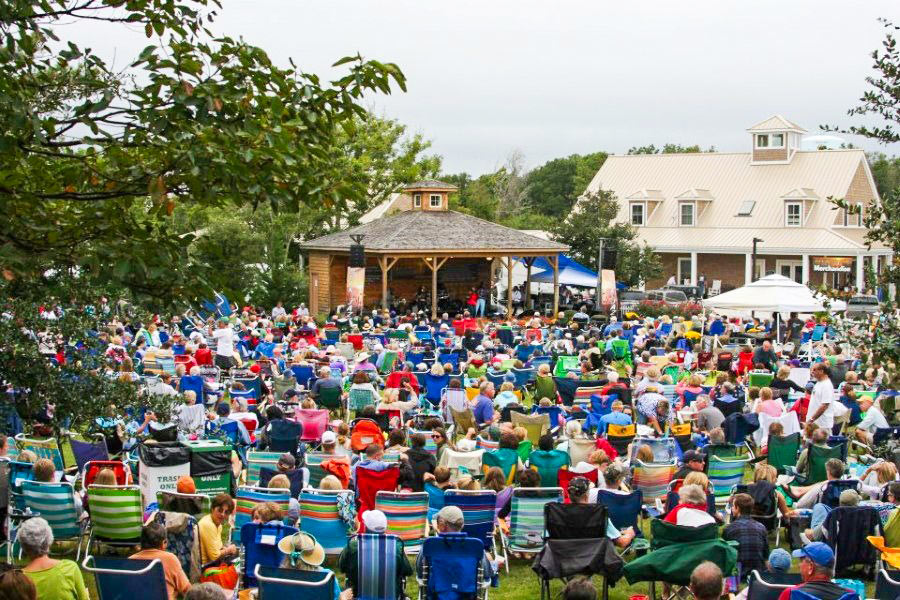
Photo: Many off-season events, such as Duck Jazz Festival, are funded with tourism dollars to drive shoulder and off-season visitation and give a boost to the local businesses.
Event Grants are designed to bring visitors during the shoulder and off-season (September 7 through June 15) to boost local businesses while spreading visitation more evenly throughout the year. Think festivals, races, cultural celebrations and holiday events that fill hotels when beaches are quieter. Some familiar examples include Taste of the Beach, WinterLights at The Elizabethan Gardens, Outer Banks Pride Fest, Flying Pirate Half Marathon, Kelly’s St. Patrick’s Day Parade and Shuck Hatteras Oyster Festival. You can see a full list of Events Grants since 2013 here. And these local events are very often channeling funds right back into the community. Take, for instance, the 12 Bars of Christmas, one of the events that received a grant in 2025. The 12 Bars of Christmas raised more than $37,000 for local nonprofits through passport sales and a total of $83,089 in charitable donations throughout the month of December.
Tourism Impact Grants and Long-Term Unappropriated Grants are for programs and services needed because of tourism – tangible things like infrastructure, safety, environmental sustainability and community services. Since 1993, these grants have funded 233 projects, totaling $21.31 million.
So, yes, the largest part of the Visitors Bureau’s budget goes toward marketing the Outer Banks. But a big chunk of its funds is dedicated specifically to programs and services needed due to tourism’s impact. That balance matters, so the money is not just attracting visitors and improving the economy but also managing growth, protecting resources and supporting the people who live here year-round.
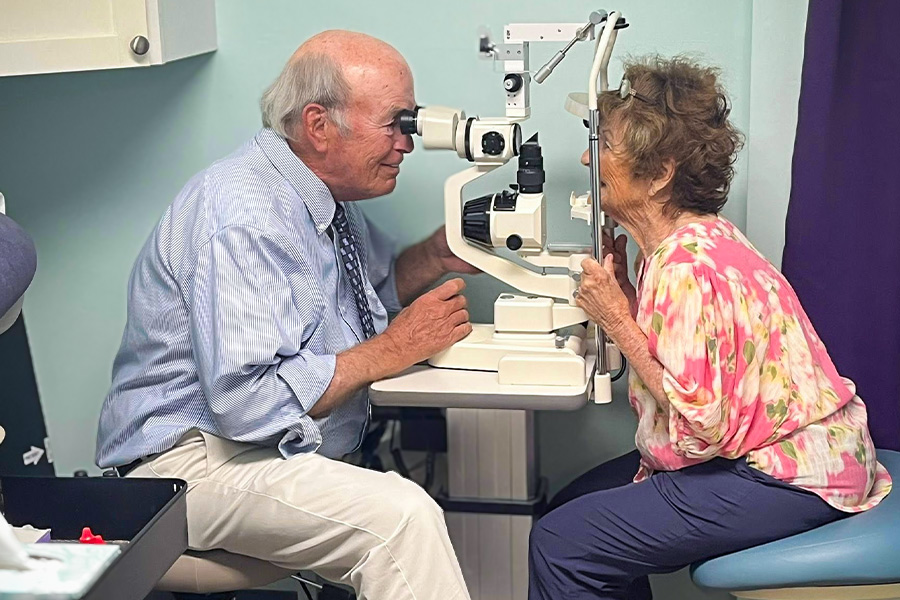
Photo: Community Care Clinic of Dare, which provides medical, dental, pharmacy and mental health care regardless of ability to pay, received Tourism Impact Grant funds in 2025-26.
The projects that were approved as part of the 2025-26 Tourism Impact Grants funding process were to:
- Avon Property Owners Association to replace three public access boardwalks on Dolphin Lane, Due East Road and Dune Way in Avon ($27,750)
- Community Care Clinic of Dare County to add a fourth treatment room to the dental clinic as well as establish a mental health counseling room ($100,000)
- Dare County to construct a .35-mile pathway along Harriot Street from U.S. 64/264 to Groundhog Lane connecting the school, neighborhoods and businesses to the Roanoke Island Multi-Use Trail ($125,000)
- NC Aquarium on Roanoke Island to construct custom cabinetry to protect, light and preserve the Richard Etheridge Collection of paintings by James Melvin that inform the aquarium visitors of the Pea Island lifesavers ($30,000)
- Outer Banks Conservationists to improve the existing crosswalk with lights and signage to facilitate Island Farm visitors crossing Highway 64 between the parking lot and historical sites on the east and west sides of the road ($10,930)
- Outer Banks Forever to restore the Bodie Island Double Keepers’ Quarters from the fire damage that occurred in 2025. Restoration will reopen the Visitors Center to allow indoor interaction with the National Park Service staff and exhibits ($150,000)
- Town of Kill Devil Hills to construct a sidewalk along W. First Street from Canal Drive to U.S. 158 at the crosswalk and along E. First Street from US 158 to the beach access ($208,739)
- Town of Kitty Hawk to construct a memorial to recognize the heritage and history of the U.S. Lifesaving Service, Weather Service and Army Signal Corps in Kitty Hawk ($49,434)
- Town of Nags Head to construct a multi-use path along U.S. 158 between Carolista Drive and W. Soundside Road adjacent to Jockey’s Ridge State Park. ($750,000)
- Town of Nags Head to construct approximately 550 linear feet of sidewalk along Admiral Street extending the sidewalk in front of The Shoppes at 10.5 shopping complex to the Admiral Street Beach access ($50,000)
- Town of Nags Head to construct a sidewalk on the north side of Grouse Street from U.S. 158 to NC 12 and relocate the crosswalk at Virginia Dare Trail to align with the new sidewalk ($54,375)
- Town of Southern Shores to replace the multi-use path from Hillcrest Drive to the northern town line with concrete to enhance pedestrian safety ($220,023)
You can see a full list of all the Tourism Impact Grants since 2019 here and all the information about past grants and grant applications here.
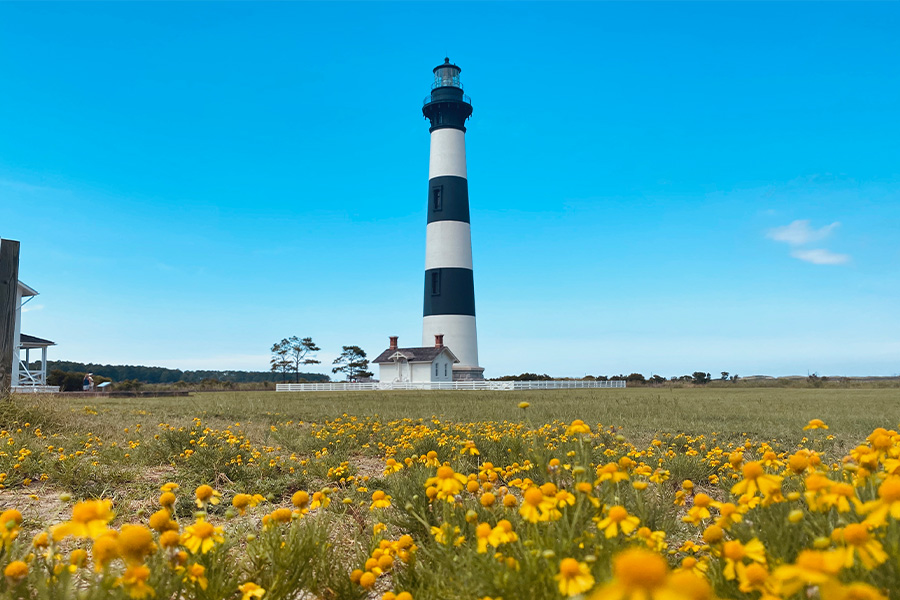
Photo: Bodie Island Lighthouse
Also directly benefitting the community, the Outer Banks Visitors Bureau works to drive volunteering among locals and visitors through its Voluntourism program. Its Voluntourism webpage and Volunteer OBX portal list local nonprofits and volunteering opportunities, which are useful for individuals and groups, both visitors and locals, who want to give back. The sites make it easy for volunteers to search for and sign up for opportunities that match their interests and at the same time helps local nonprofits and community organizations find volunteers for free.
Another way tourism dollars are spent is sharing the stories of the Outer Banks. An example of that is The Outer Edge, a video series that tells the stories of the Outer Banks through the locals and along the way inspires a love of this place and responsible visitation. Season 1 was released in 2025, telling the stories of locals working in commercial fishing, photography, boat building, music, arts and weather. Season 2, telling stories of skateboarders, scuba divers, scientists, shipwreck historians and more, was just released to the public last week. The Outer Edge has inspired a great deal of community pride, so be sure to watch both seasons, in all 11 episodes, here.
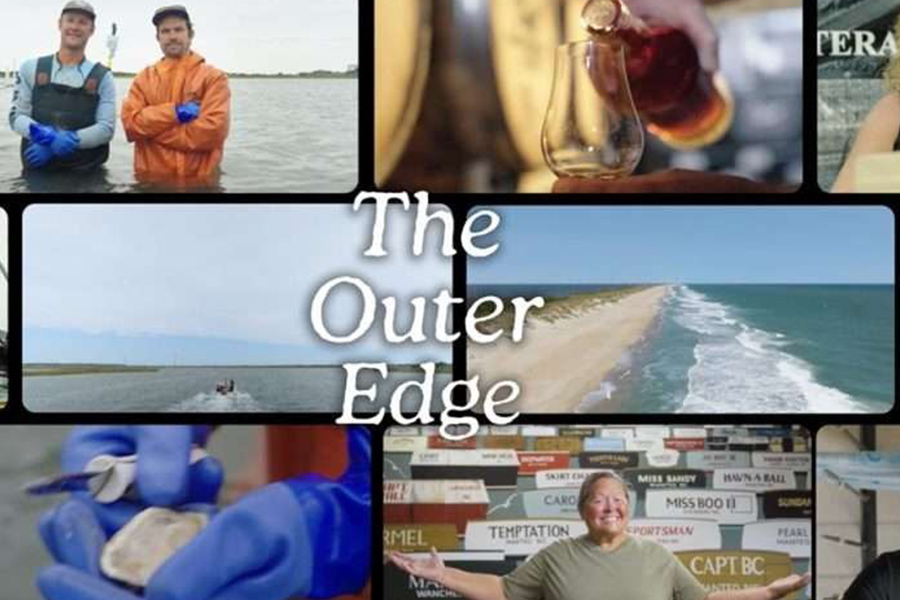
Photo: The Outer Edge video series, created by the Outer Banks Visitors Bureau
On the Outer Banks, tourism dollars don’t disappear into a black hole. They keep local taxes lower, help local businesses thrive, fund community infrastructure, support nonprofits and cultural organizations, improve safety, access and healthcare, and help preserve the places we love.
So residents, let’s appreciate our visitors, and visitors, thank you for visiting the Outer Banks and spending your money here!
About the Author Molly Harrison
 Molly Harrison is managing editor at OneBoat, publisher of OuterBanksThisWeek.com. She moved to Nags Head in 1994 and since then has made her living writing articles and creating publications about the people, places and culture of the Outer Banks.